
How Many Chickens Should I Get for my Family?
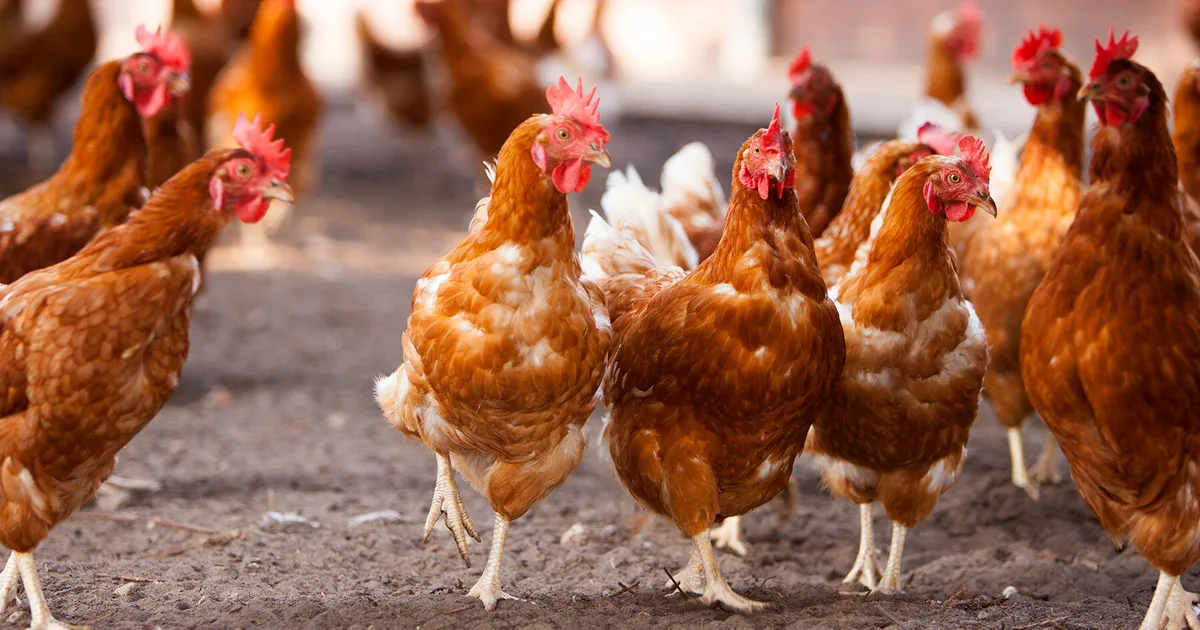
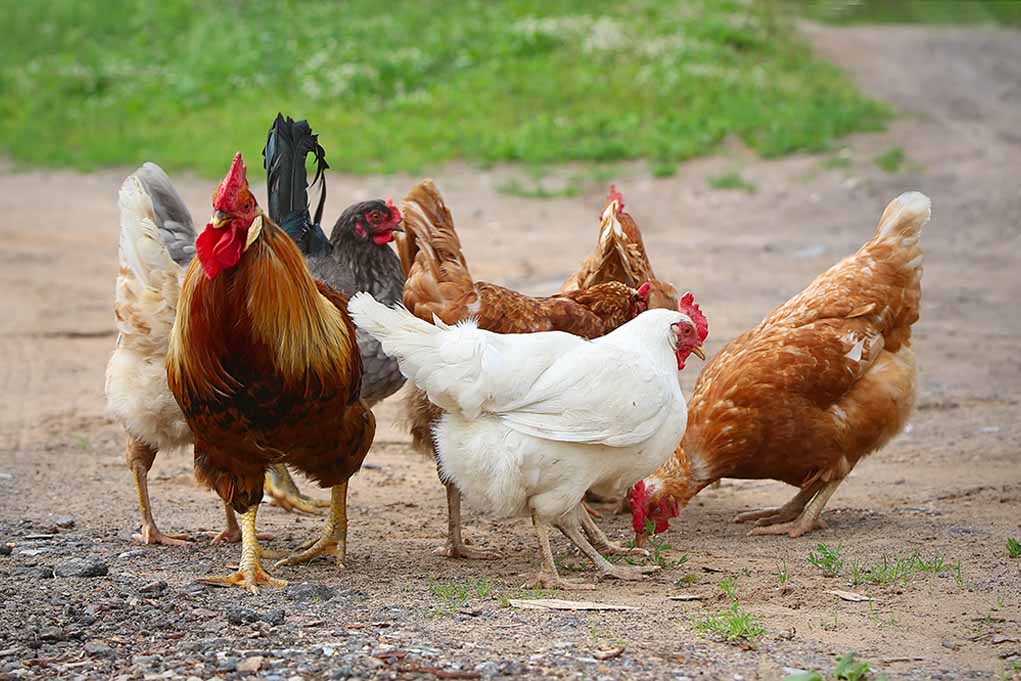
Purpose of Keeping Chickens: Pet, Egg, or Meat?
1. For Pets: Chickens can make wonderful pets, offering companionship and even stress relief. For this purpose, consider docile and friendly breeds such as Silkies, Orpingtons, or Rhode Island Reds. Their gentle nature and unique appearances make them ideal for families seeking feathered friends. 2. For Eggs: If your primary goal is to have a consistent supply of fresh eggs, focus on laying breeds. The top choices include Rhode Island Reds, Leghorns, and Australorps. These hens are prolific layers and will keep your breakfast table well-stocked. 3. For Meat: Raising chickens for meat requires breeds with robust bodies. Cornish Cross and Freedom Rangers are popular choices, known for their meaty yields and efficient growth. Their meat is tender and flavorful, making them suitable for family dinners.
Which chicken breeds are best for egg production?
Well, when considering egg-laying prowess, common breeds such as the Rhode Island Red and Oxford Brown are excellent choices, with both averaging around 310 eggs per year. Australorps, on the other hand, can impressively lay as many as 320 eggs annually.
If you're leaning towards Mediterranean breeds, Leghorns are a popular choice, typically laying 5-7 eggs per week. Ultimately, your selection should take into account your personal preferences and the climate in your region. Factors like cold or hot weather can impact a chicken's egg-laying capabilities, so it's important to choose a breed that suits your local conditions.
What is a young male chicken called? Exploring the intricacies of poultry terminology, we delve into the answer to this common question and uncover the fascinating identity and role of a young male chicken within the larger context of poultry farming.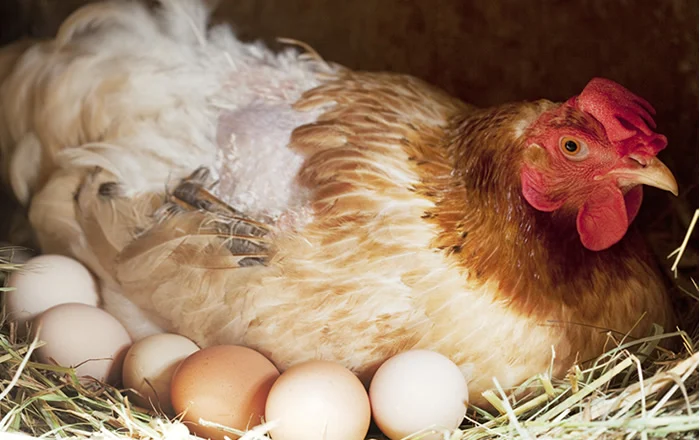
How many laying hens per person?
Typically, the general rule of thumb is to have 2-3 laying hens per person. This allows for a sufficient quantity of eggs to meet daily consumption needs. However, it's important to consider factors such as the size of your household and your egg consumption habits when determining the ideal number of hens to keep. Additionally, providing proper care and space for your hens is essential to ensure they are healthy and productive egg layers.
How many laying hens do I need?
To determine the appropriate number of laying hens for your needs, start by evaluating your family's egg consumption. For instance, a family of four generally requires around 8-12 hens to ensure a steady supply of fresh eggs. Keep in mind that factors such as the frequency of egg consumption, the size of your flock, and the breed of chickens you choose can all influence the quantity of hens necessary for your specific situation. Furthermore, it's essential to consider the space available for your chickens to roam and forage, as this can impact their well-being and egg production. Additionally, the climate and local regulations regarding keeping chickens should also be taken into account when determining the ideal number of hens for your household. Also, regularly monitoring your egg production and adjusting your flock size accordingly can help ensure a constant supply of farm-fresh eggs for your family.
How many hens do I need for eggs?
To answer the question, How many hens do I need for eggs? typically, a single laying hen can produce between 4 to 5 eggs per week. If your family consumes a dozen eggs a week, having three hens would be adequate to meet your egg needs. However, it's important to consider factors like the breed of hens, their age, and their living conditions, as these can influence egg production. Additionally, providing proper care, nutrition, and a comfortable environment for your hens will help ensure a consistent egg supply. Discover the captivating world of poultry farming with our in-depth Rutin Chicken Breed: All You Need to Know guide, where we unravel the fascinating traits, care requirements, breeding intricacies, and practical tips for raising and nurturing these unique chickens.
How many chickens should I get?
If you're wondering, How many chickens should I get? for a balanced approach that yields both eggs and occasional meat, it's advisable to start with a flock of 4-6 hens. This number not only ensures a steady supply of eggs but also allows you the flexibility to engage in occasional meat production, providing you with a diverse range of poultry products for your needs. Keep in mind that the specific number may depend on your available space, local regulations, and your own preferences in managing a backyard flock. Additionally, as your experience and confidence grow, you can consider expanding your flock further to meet your desired production goals.
How many chickens for a family of 4?
To meet the egg needs of a family of four, How many chickens should you have? becomes a common question. For a consistent egg supply, it's advisable to maintain a flock of approximately 8 to 12 hens. This range ensures an ample quantity of eggs, which can be used for a variety of delicious culinary creations. By having this number of chickens, you can enjoy a steady supply of fresh eggs for your family's breakfasts, baking, and other culinary endeavors, making your self-sufficiency in eggs a delightful and sustainable venture.
How many chickens for a family of 5 or 6?
To accommodate larger families, it's essential to adjust the flock size accordingly. For instance, a family of five may find it suitable to have between 10 to 15 hens, ensuring a steady supply of eggs and poultry.
On the other hand, a family of six might want to consider a range of 12 to 18 hens to meet their requirements comfortably. Remember that these numbers can vary based on your family's preferences, consumption, and space available.
In our comprehensive Satin Silkie Chickens: Complete Guide, we delve into every aspect of raising these captivating and unique poultry creatures, offering valuable insights into their care, characteristics, and much more, ensuring that both novice and seasoned chicken lovers are well-equipped to provide the utmost attention and consideration these delightful birds deserve.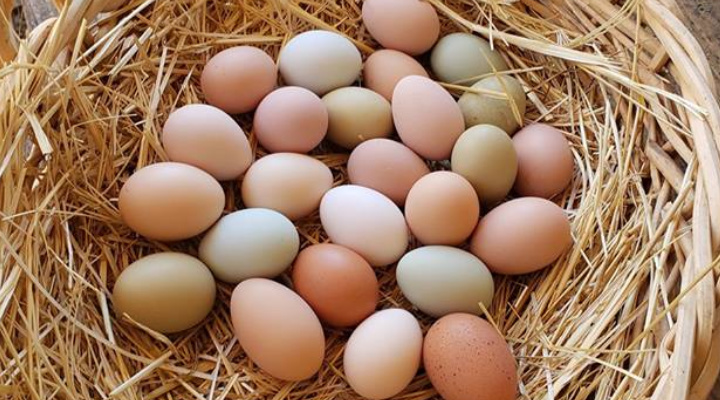
Can I use eggs as a primary protein source for my family?
Certainly, early pioneers discovered that maintaining a ratio of two to three hens per family member yielded sufficient eggs to provide a daily meal and extra for baking. Having a surplus of hens not only ensures an ample supply of fresh eggs but also allows for sharing with both family members and neighbors, fostering a sense of community and self-sufficiency. It's a practice that not only sustains a household but can also strengthen bonds within the local community.
How do I introduce new chickens to my existing flock?
It's essential to introduce new chickens gradually, preferably in a separate area, while closely monitoring their interactions. This gradual approach helps minimize aggression and gives your existing flock time to adapt to the newcomers. After a period of observation and when you notice more peaceful interactions, you can consider integrating them into the existing flock, ensuring a smoother transition and the establishment of a harmonious coop environment. Remember, patience and careful observation are key to successful introductions.
Determining the Right Number
The right number of chickens for your family size depends on your goals, consumption, and available space. It's crucial to consider the time and effort required for chicken care, including feeding, cleaning, and health maintenance. Moreover, local regulations and zoning laws may influence the maximum number of chickens you can keep. Can chickens eat onions? Facts nobody told you reveal the surprising truth about whether onions are safe for your feathered friends to consume, shedding light on the potential risks and benefits of incorporating this pungent vegetable into their diet.Conclusion The number of chickens to get for your family should align with your specific needs and resources. Whether you seek them as pets, egg-layers, or meat producers, the key is to strike a balance that ensures a steady supply of fresh eggs or meat while providing proper care and attention to your feathered friends. By following these guidelines and considering your family's preferences, you'll be well on your way to enjoying the many benefits of backyard chicken keeping. So, why wait? Take the plunge and welcome these delightful creatures into your life, creating a sustainable and enjoyable experience for your family.