
7 Ways On How To Winter Chickens To Keep Them Warm
As winter draws near, finding ways to shield your flock from the elements can be tasking- especially for backyard chicken keepers who don’t keep on a large scale. Despite the hard nature of birds, if they aren’t kept warm enough laying chickens will stop producing eggs, while weaker members of the flock will become susceptible to disease and may find it difficult to recover in the cold weather if it eventually falls sick. While some chicken keepers use heat lamps to keep their coops warm, these come with the risk of starting fires if they get faulty or aren’t properly maintained. Here are seven steps to help ensure your birds are protected from cold weather.
1.Reduce Draft in your Chicken Coop
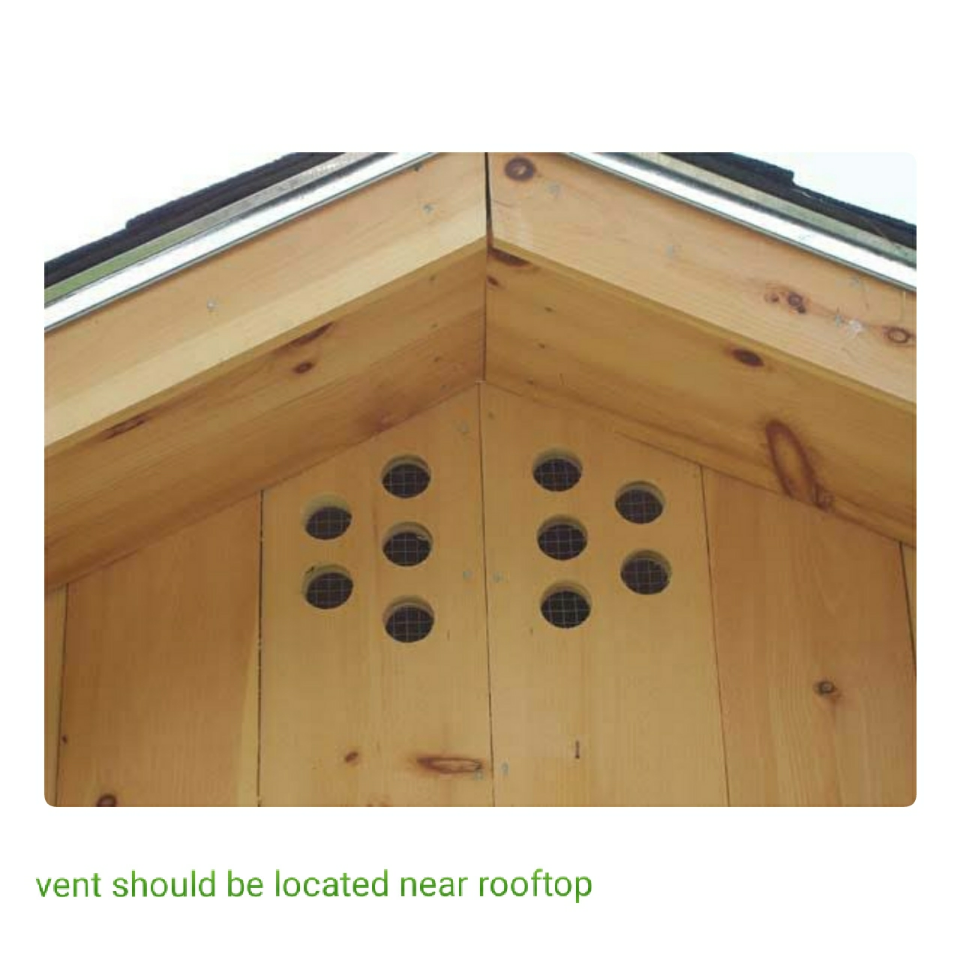
Wind cold can increase the rate of heat loss from your chicken coop. Because of this, as it gets closer to sunset you need to make sure any air leaks are sealed well. If your coop is new you shouldn’t find many holes or cracks, but if it’s more than 5 years old then chances are that parts of it will have started to rot and will need to be replaced or patched. The less stressful and affordable way to repair the holes is to screw a cut-to-measure piece of plywood over the hole. As long as your vent is functioning properly (see below), all the other cracks in your coop should be sealed to stop the temperature from dropping too quickly.
2. Keep your coop well ventilated
Also read: How to hatch chicks naturally at your backyard farm
3**. Make Use of the ‘Deep Litter Method**
The Deep Litter Method is not only a sustainable way of managing the litter in your chicken coop, but it can also be useful for isolating your flock during cold weather. To begin with, simply layer pine shavings or similar organic matter over the floor. Instead of cleaning or replacing the waste your chickens accumulate, all you need to do is turn up the bedding with a light rake, and allow the natural movement of your flock to do the rest. If it’s made properly, and frequently topped up with pine shavings, the litter will begin to form a compost layer that welcomes good microbes in and allows them to consume the unhealthy bacteria in the chickens’ waste. It helps to insulate your chicken coop in the winter months and prevents lice and mite infestations and be a far simplest way to manage waste. . NB: You mustn't use cedar shavings, as these can be toxic to chickens.
Also, read 40 Facts about chickens that will blow your mind!
4. Make use of sunlight heat
The days may be shorter in winter, but you can still use sunlight to trap heat during the day and help the coop stay warmer for longer during the darker hours. Well-insulated windows can act as a sun trap, especially if you have a dirt or dark slab floor, or if you make use of the Deep Litter Method. Increasing the amount of ‘thermal mass’ your coop contains will also allow it to retain heat for longer. ‘Thermal mass’ is a measure of how well a material absorbs heat for later release. The more thermal mass you have into your coop, the more steadily it will release heat after the sun has settled down. Materials like the compost floor, stone, or even concrete will retain more heat during the day, and release it throughout the night.
5. Ensure your chickens can roost
Also read: Chicken First Aid Kit: What do you put on a Chicken Open Wound
6. Make them a sunroom
Although it’s more comfortable to keep your birds locked away from the cold weather totally, your flock will benefit from being able to move around more freely. To create more space, you can build a ‘cold frame’ or greenhouse-style addition to your coop, and cover it in clear plastic to keep them sheltered from the worst of the weather. By so doing, your chickens will have plenty of space and fresh air, but will still be protected from the wind, rain, and snow.
7. Protect against frostbite