
How Do You Know If a Chick is a Male or Female ?
How to know if a chick is a male or a female is a high skill sought after in the poultry business. However, there are several ways you can determine the gender of a chick. Two methods ( vent sexing and feather sexing) are more accurate than the rest, which are less invasive compared to these two methods.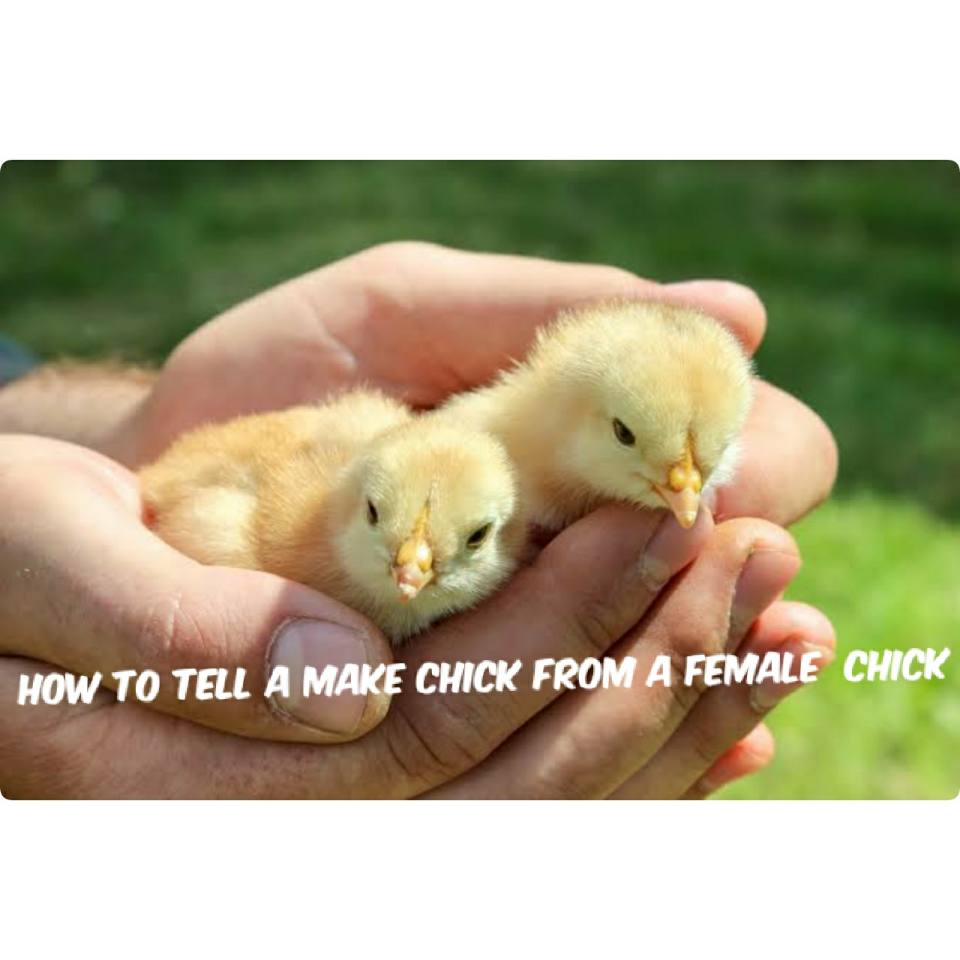
1. Vent sexing
The most accurate and successful way to sex a chicken is known as venting or vent sexing. However, it’s also quite difficult and takes someone with a lot of skill to do.
Venting works best on chickens one day old. With this method, you hold the one-day-old baby chick in your hand and push it down slightly below the vent to spread it open.
This allows you to actually see the chick’s sex organs to tell if it’s a male or female.
Male and female sex organs can look remarkably similar in chicks this young.
As the vent breaths open and close, observe;
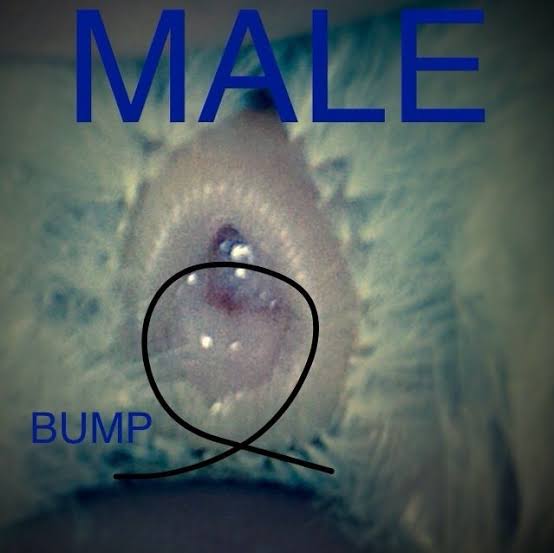
In the male vent, the organ looks like a protrusion or a bump, while in the female there is no protrusion. In some cases, this may be obvious and in others, may be difficult to differentiate.
Also read: 7 Ways On How To Winter Chickens To Keep Them Warm
2. Feather Sexing
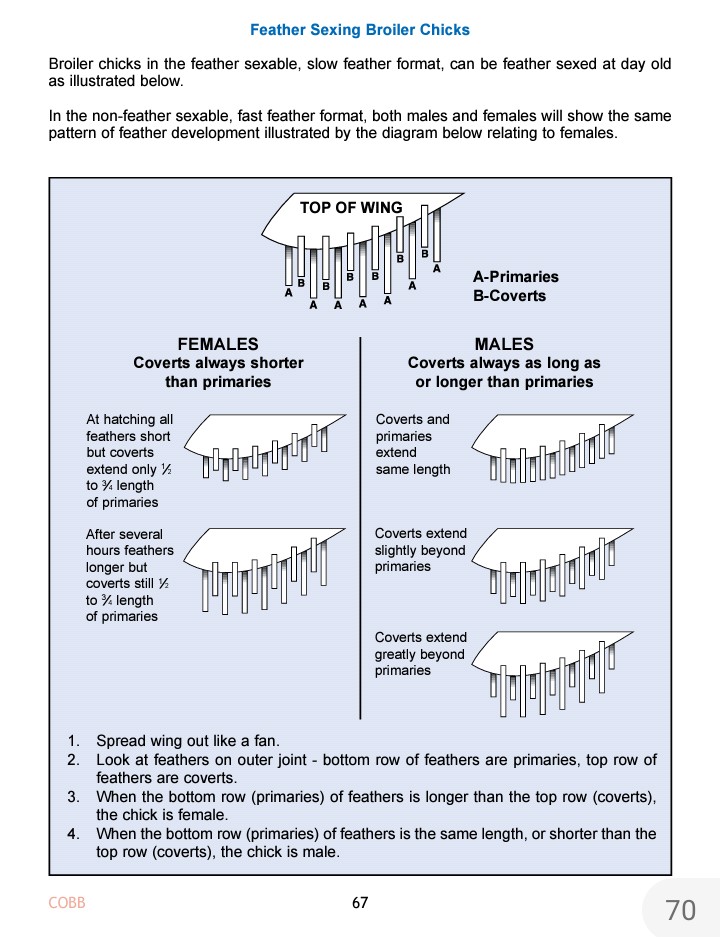
Feather sexing a chicken, also referred to as wing sexing, is another fairly reliable and straightforward way to sex a chicken. As with venting, to use this method, you must do it when a chick is about a day old. If you wait much longer, its feathers will be well-developed, and you’ll be unable to see differences between males and females.
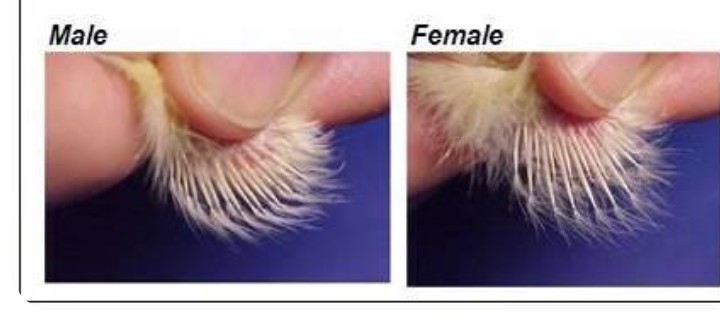
Female chicks will have wing feathers earlier than male chicks, developing them before hatching. Males, on the other hand, start developing their wing feathers after hatching. This means that wing feathers are going to be much more visible in day-old female chicks than males. However, there’s more to feather sexing than that.
The wing feathers of day-old male and female chicks look remarkably different.
Also read: Are Plastic Chicken Coops Good?
3. Check Comb/Wattle Colors and Sizes
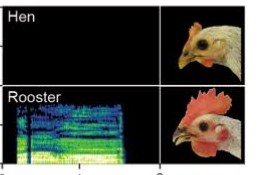
A chicken’s comb can tell you a lot of information about it, including its gender. If you’re looking for a less stressful way to sex a chicken, you can examine its comb. This method of sexing a chicken is not as accurate as of the above two methods, but it’s easier and doesn’t require as much skill or practice.
Also read: 6 smart tips to increase the bodyweight of your broiler chicken
4.Watch Their Behavior
As chicks grow older, another non-stressful way to determine their genders is to keep a close eye on their behavior.
- There are some behaviors that are uncommon among female chicks. These include fighting and giving humans “the stink eye.”
- Flying directly into one another or slamming into each other’s chests -think of ruby players bumping chests on the field.
- Incessant amounts of pecking or kicking at each other are others. If you notice any of these behaviors in your chicks, it’s likely that your chicks are male. Of course, this is not a 100% sure way to accurately sex a chicken. Every now and then you’ll come across an aggressive female that likes to fight. However, it’s uncommon. So if you do have chicks fighting, they’re probably males. The stink eye is another trait common to male chicks as opposed to females. Sometimes, you will notice a chick while performing a circular movement will stop suddenly and cork his head and give you that bold stare for some seconds without blinking-this is called ‘the stink eye’ perform mostly by a male chick.
5. Listen for the Crow
Most of the time, people don't use crowing as a way to sex a chicken. The idea is that by the time a chick is growing, it’s already large enough to tell it’s a rooster. However, this isn’t always the case. Roosters will generally start crowing at about four months of age. By this time, it’s true that most breeds already look like roosters. However, there are actually some situations in which a chicken actually begins crowing before you can actually tell that it’s a rooster. In these cases, when all visual signs have failed you, you can simply listen for a crow. There are other occasions of chicks crowing as young as 4 weeks old. A one-month-old chick is still fairly gendered uncertain visually. If you’re lucky enough to have roosters start crowing at a month old, you can be sure you have a rooster. Despite rumors to the contrary, I have never heard a hen crow. People claim it happens, but in all my experiences with chickens, this has never happened So if you have a month-old chick crowing or a half-grown chick whose gender you can’t detect, listen to see if it starts growing. If a chicken has reached six months of age and still has not crowed, it’s probably a hen.
Also read: How to Stop watery whitish, greenish, brownish-yellow and blood stain in your Chickens poops for full Recovery
Wrong ways of sexing a chick
The Shape of the Egg
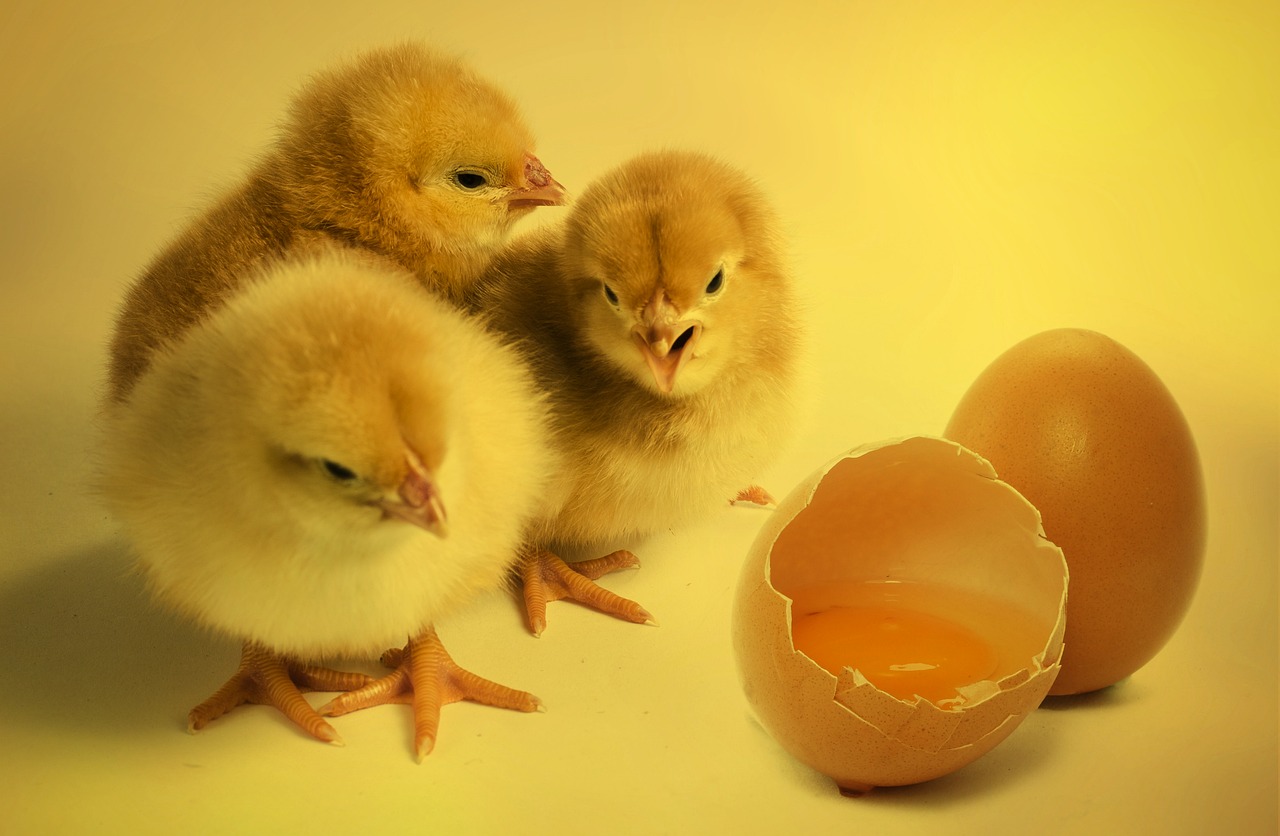
For a couple of decades, people have been rumoring that you can tell the gender of a chick before it ever hatches mainly by looking at the shape of the egg. It’s assumed by some that if an egg is round, that egg contains a female chick. Conversely, if the egg is narrow and pointed, it’s assumed to hold a male chick. This is absolute nonsense. The shape of an egg has l nothing to do with the sex of the chick inside. Don’t believe in it. If you’re determining your chicks’ sex based on this, you’ll have just as much luck throwing a dice.
Flipping a Chick Upside Down
Another myth about determining the sex of a chick involves turning a chick upside down. For a female chick, It’s believed that it will stay that way, just hanging there without a struggle. It’s believed that if the chick is a male, it will start fighting to stay upright. This, too, is nonsense. Moreover, turning your chicks upside down can potentially hurt them. Please I beg you, don’t flip your baby chicks upside down. It will not give you any reliable information about the Chick's sex, and it could cause a lot of harm.
The Egg Float Test
Another crazy tale about determining the sex of a chick is to put an egg in water and see if it floats. If it does, the egg is assumed to contain a female chick. If it doesn’t, the egg is assumed to a male chick. This is sheer rubbish and can potentially kill the chick inside the egg.
There is actually an egg float test, but it has nothing to do with determining the gender of a chick. The egg float test is used to determine the freshness of an egg.
/three-glasses-of-water-containing-eggs-each-egg-at-different-level-in-the-glass-sink-or-float-egg-freshness-test-183743184-57829cf13df78c1e1f3e362b.jpg)
FAQ
At what age can you tell if a chicken is a roost?
You can tell if a chicken is a rooster at different ages of the chicken life, even as early as a day old. However, the perfect method for sexing a chicken at various ages varies. For instance, the accurate method for telling if a chicken is a rooster at day old is vent sexing follow by feather sexing. After a couple of weeks, you can use the comb and wattle, or crowing method to tell if the chicken is a rooster.
How can you tell if a chicken is a rooster in 1 week?
At 1 week the chicken feather is quite visible to tell a hen from a rooster. You can easily use the feather sexing method to determine the gender of the chicken. You can also use the comb size at this stage to tell if the chicken is a rooster because at 1 week the comb is visible enough to differentiate the sex of the chicken.
How can you tell if a 2-month-old chicken is a male or female?
At 2 months, besides vent and feather sexing, you can use a less invasive method to tell if a 2-month-old chicken is a male or female, because at two months most male chickens have started crowing. Some female chickens can have comb and wattle like a male, but they can never grow. Watching the chicken Crow is a less invasive method to sex a chicken at 2 months old.
In Conclusion
There are five reliable ways to sex a chicken. Of these five ways, there are only two (venting and feather sexing) which are absolutely reliable; we’ll say 90%. Crowing is also a very reliable way of determining gender, although it’s not always helpful if the chick is half-grown before it crows. The other ways are less reliable, but they are still useful. They are also less stressful than venting or feather sexing. Besides these methods, there’s no other reliable way to sex a chicken. Please avoid folktales, and be aware that mistakes do occur. If you have tried any of the above-mentioned methods, I will be glad if you can share your experience with us.