Can Chicken Eat Potato? Nutrition, Preparation, Toxicity
Benefits of Feeding Potato to Your Chicken
Many chicken keepers incorporate kitchen scraps into their chickens' diets alongside commercial chicken feed. While there are plenty of kitchen scraps that chickens can safely enjoy and even prefer, there are certain foods that may raise concerns.
In broad terms, fruits and vegetables that are safe for humans are generally safe for chickens as well. However, it's crucial to recognize that humans and chickens have distinct nutritional requirements. This means that even if a food is safe for your chickens, you should still be aware of the appropriate portion sizes for them.
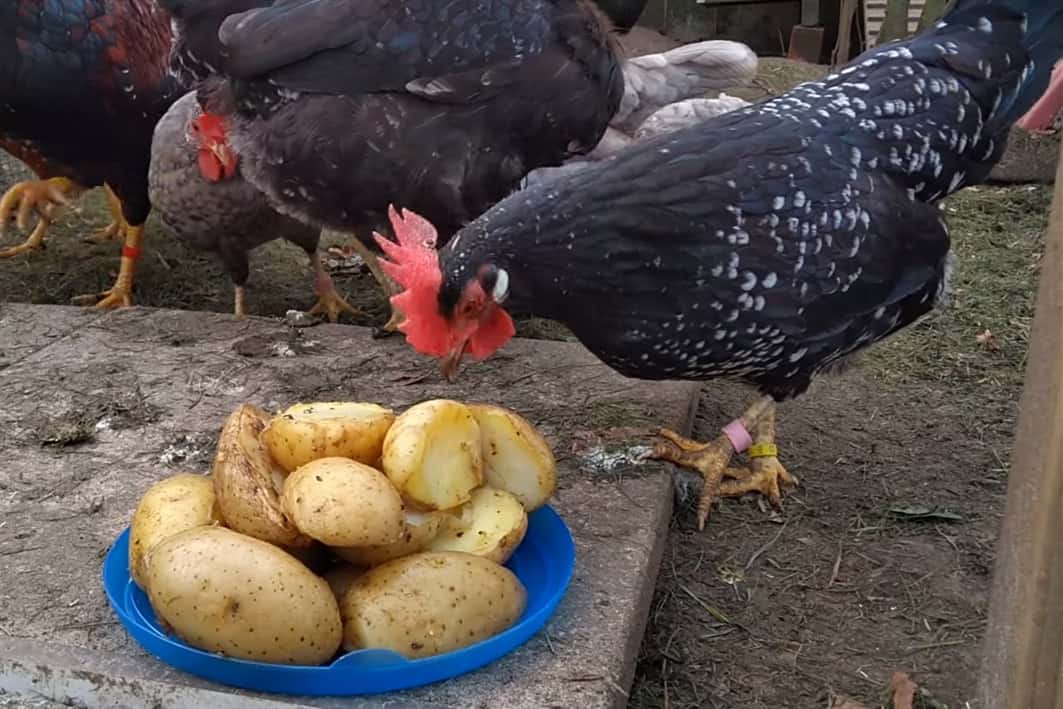
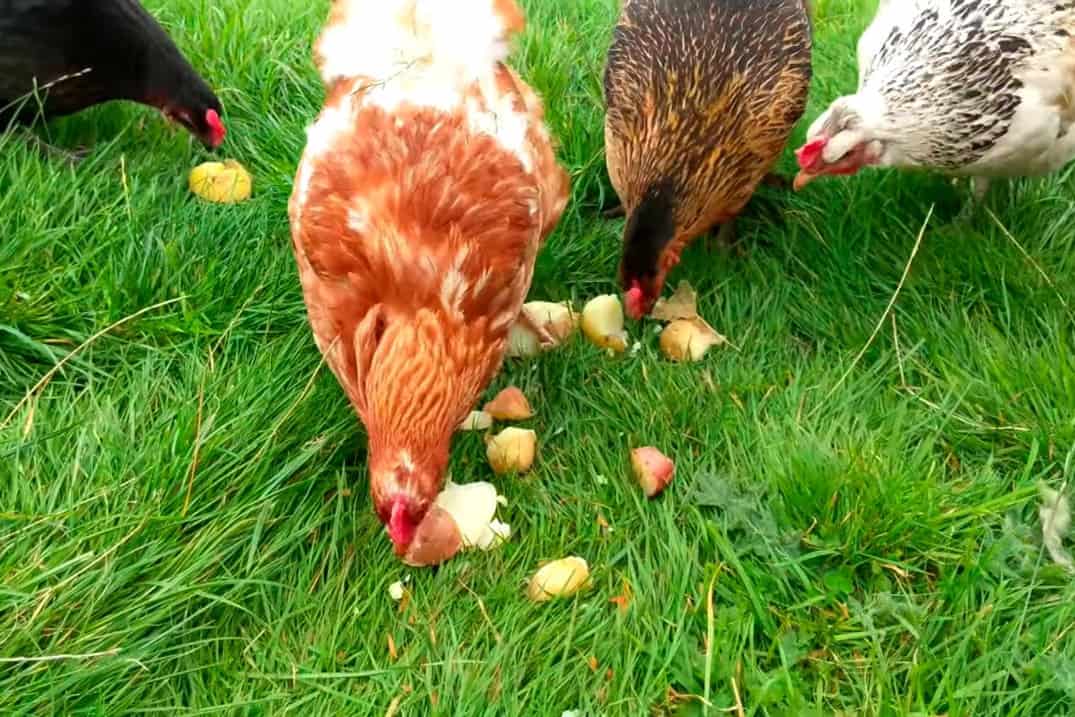
One particular food that may have left you pondering is potatoes. When used in moderation, potatoes can serve as a valuable addition to your chicken's diet. Here are some of the benefits of including potatoes in their meals:
Rich Source of Carbohydrates: Potatoes are packed with carbohydrates, providing an excellent source of energy for your chickens. This can be particularly beneficial during colder months when they need extra fuel to stay warm.
Vitamins and Minerals: Potatoes contain essential vitamins like vitamin C, B vitamins, and minerals like potassium and magnesium. These nutrients contribute to the overall health and well-being of your feathered friends.
Variety in Diet: Offering potatoes as a treat adds variety to your chicken's diet, which can help prevent boredom and encourage foraging behavior.
Feather Health: The vitamins and minerals in potatoes can contribute to healthy feather growth, ensuring your chickens look their best.
In our comprehensive Satin Silkie Chickens: Complete Guide, we delve into every aspect of raising these captivating and unique poultry creatures, offering valuable insights into their care, characteristics, and much more, ensuring that both novice and seasoned chicken lovers are well-equipped to provide the utmost attention and consideration these delightful birds deserve.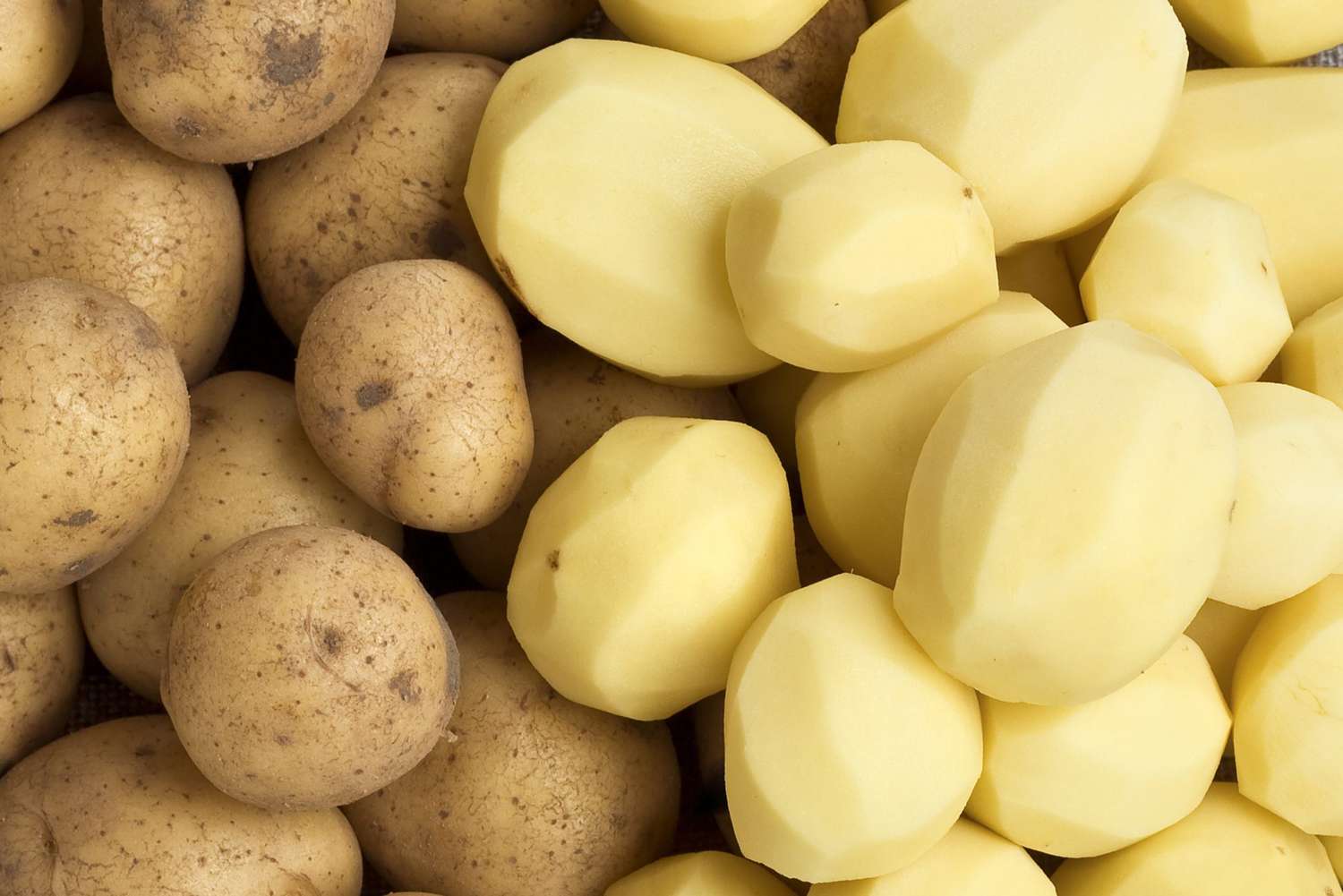
How to Cook Potato for Your Chicken
Cooking potatoes for your chickens is crucial to make them safe and digestible. Follow these four steps:
1. Wash the potatoes
When working with fresh potatoes, it's important to thoroughly wash them. Since potatoes grow underground, they can retain some soil, but a good cleaning will remove any dirt.
If the type of potato you're using is safe for chickens to consume, consider cooking them with their skins on, as they contain extra nutrients. If you prefer to skip the washing step, you can opt for frozen or dehydrated potatoes. When using frozen potatoes, be sure to allow them to thaw before cooking.
2. Cut into small sizes
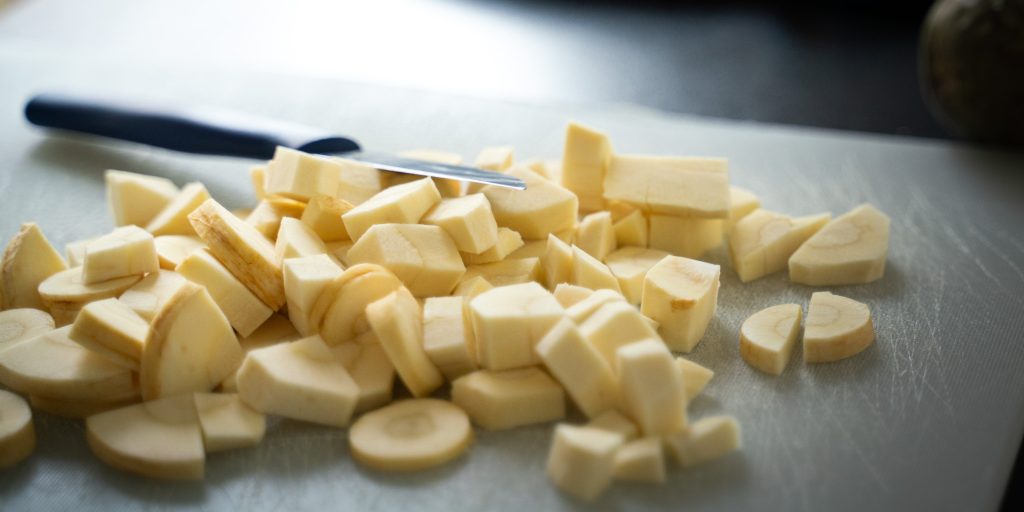
Before boiling, slice the potatoes into small pieces. This speeds up the cooking process, saving you both time and gas. Additionally, leaving them cubed rather than mashed will make it simpler for your chickens to consume, and cubed potatoes are also easier to mash if needed.
3. Cook over medium heat
Place the potatoes in a sufficiently large pan, ensuring they fit comfortably. When cooking, use cold water and make sure it completely covers the potatoes. The cold water promotes even and speedy cooking. It's important to avoid adding salt, as chickens can be sensitive to it.
Cook the potatoes over medium heat to prevent them from burning. Keep the pan uncovered to maintain their texture, ensuring they don't become mushy. After 15 minutes, test the potatoes for tenderness. Once they are tender throughout, switch off the heat and drain the potatoes.
4. Mash the potatoes
You can offer your chickens the cooked, diced potatoes or mash them. Use either an electric beater or a potato masher. Avoid adding milk to the mashed potatoes as chickens are lactose-intolerant. Be cautious not to overfeed your chickens with mashed potatoes, as it can disrupt their digestion.
Serve your chickens manageable portions they can consume in one go. If uncertain, give them potatoes gradually until they finish. This prevents them from scattering potatoes in their coop. Remember that cooked potatoes should not be stored beyond a day, so only cook what your chickens can eat within that time frame.
Can chickens eat onions? Facts nobody told you reveal the surprising truth about whether onions are safe for your feathered friends to consume, shedding light on the potential risks and benefits of incorporating this pungent vegetable into their diet.
Risk of Feeding Potatoes to Your Chicken
While there are benefits to feeding potatoes, there are also risks to consider: Toxicity: Raw potatoes and potato peels contain solanine, a natural toxin that can be harmful to chickens. Always ensure potatoes are cooked to eliminate this risk. Moderation: Potatoes should be a treat, not a primary food source. Excessive potato consumption can lead to obesity in chickens.
Can Chicken Eat Potato Skin?
Potato skins are generally not recommended for chickens. The skin contains a higher concentration of solanine, making it potentially toxic. It's safer to stick to the mashed flesh of the potato.
Do Chickens Like Potato Peelings?
Chickens may be curious about potato peelings, but it's best to avoid feeding them these scraps. As mentioned earlier, potato peels can contain higher levels of solanine, which can be harmful if ingested. Have you ever wondered, What is a female turkey called? Uncover the answer and explore more about the intriguing world of turkeys in our latest blog post – you might be surprised by the names these remarkable birds go by!
Can Chicken Eat Sweet Potatoes?
Sweet potatoes are not only considered superfoods for humans, but they are also suitable for your chickens. Additionally, all parts of sweet potatoes, including the peels, stems, leaves, flesh, and even the flowers, are safe for your chickens to consume. Unless your chicken breed naturally dislikes sweet potatoes, they will eagerly eat them. Some commercial chicken feeds also incorporate sweet potatoes due to their advantages. You can offer sweet potatoes to your chickens either raw or cooked, but it's essential to cut them into smaller pieces to facilitate eating and swallowing. Sweet potatoes are a healthier option for chickens compared to regular potatoes, containing lower levels of solanine while offering similar nutritional benefits. You can prepare sweet potatoes using the same cooking methods mentioned earlier for regular potatoes.
How Many Potatoes Can Chickens Eat?
On average, treats such as potatoes should not make up more than 5% of your flock’s diet. Chickens can eat up to 0.25-0.33 lbs., or about two large potatoes, of boiled, mashed, or sun-dried potatoes per week. This should be given in a span of 3 to 5 servings and not all at once.
If first introducing potatoes to a flock, make sure that you test with a little serving at first. This is important for your chicks as new food can cause them digestive discomfort. Monitor their bowel movement for 24 hours to ensure that there are no bad reactions to the root crop.
Creating the perfect home for your feathered companions? Find out what should be inside a chicken coop to ensure their comfort, safety, and well-being. Check out our blog post for essential tips on setting up a cozy haven for your chickens!